
Why Fall-Winter Planting and Dividing?
In our relatively mild winter climate, fall to winter planting is usually preferable for a multitude of perennials, shrubs and trees. Our Nursery carries a wide selection of plants suitable for fall-winter planting.
Why plant in the fall - winter? In our area, planting in fall – winter with cool to moderately cold weather (above freezing temperatures), causes less transplant shock than conditions with high temperatures and no rain as in the late spring – summer. Also, the rainy weather season means little to no supplemental irrigation concerns for newly planted plants. Root systems will grow through the winter and speed establishment. If you want annual wildflowers, the best time to plant most wildflower seeds is after the 1st rain.
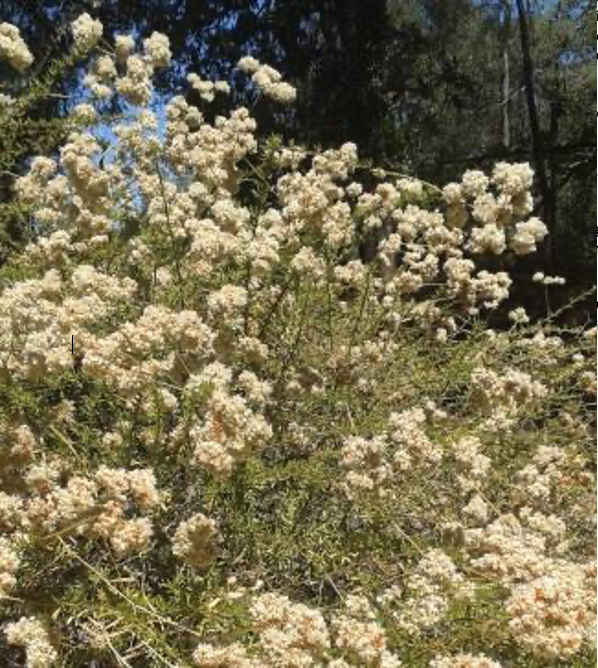
One of the many California native Wild Buckwheats, butterfly host and nectar plants, Eriogonum fasciculatum California Buckwheat.
Planting: Plants, whether from a nursery container, or transplanted, should be planted with the crown (the base of the plant) at the same soil level (or slightly higher for natives and other drought tolerant plants) that it is growing in the pot, or soil. Your planting hole should only be as deep as the plant’s current soil level, and twice as wide. Division: Dividing established clump-forming perennials in your garden is usually simple. However, many plants, such as daylilies, ornamental grasses, etc. have significant root systems which may require some force to divide.
You can find a comprehensive list of drought-tolerant pollinator plants for fall – winter planting routinely available on the Turtle Bay’s Garden Nursery website (find out more information about each plant by clicking on their inventory name at www.turtlebaynursery.org )
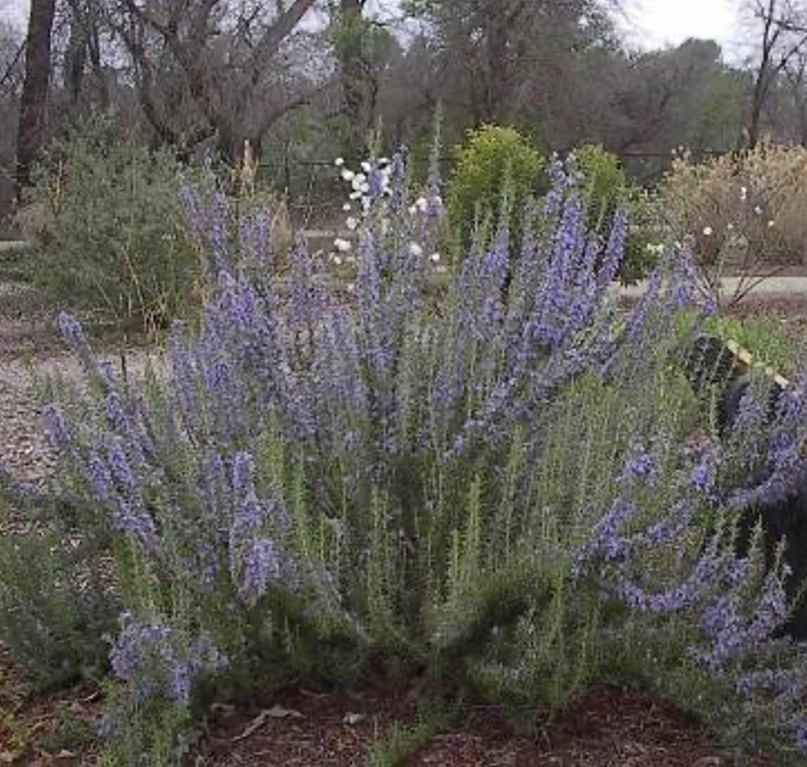
A favorite of bumble bees, Tuscan Blue Rosemary